Dead Branch Removal in Allentown, PA
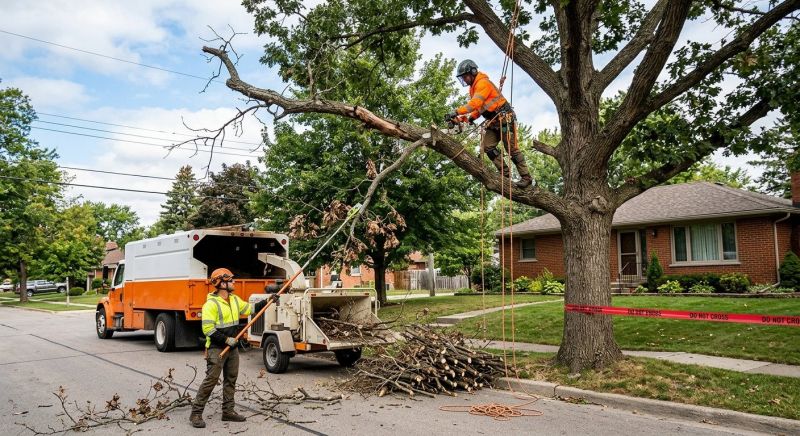
Dead branch removal services focus on safely and efficiently removing dead, damaged, or overgrown branches from trees on residential properties. This service is often requested to improve the health and appearance of trees, prevent potential hazards from falling limbs, and maintain the safety of people and property nearby. Projects can range from removing individual dead branches to comprehensive pruning of multiple trees, especially in cases where dead or diseased limbs pose a risk during storms or high winds.
Homeowners considering dead branch removal should understand the importance of identifying which branches need to be removed and how the process can enhance tree health and safety. It’s helpful to know whether the project involves small, easily accessible branches or requires specialized equipment for larger or hard-to-reach limbs. Clarifying these details before requesting services ensures that the work addresses specific concerns and aligns with property maintenance goals.
Many property owners in Allentown, PA look into Dead Branch Removal for repairs, replacements, upgrades, and appearance-related improvements.
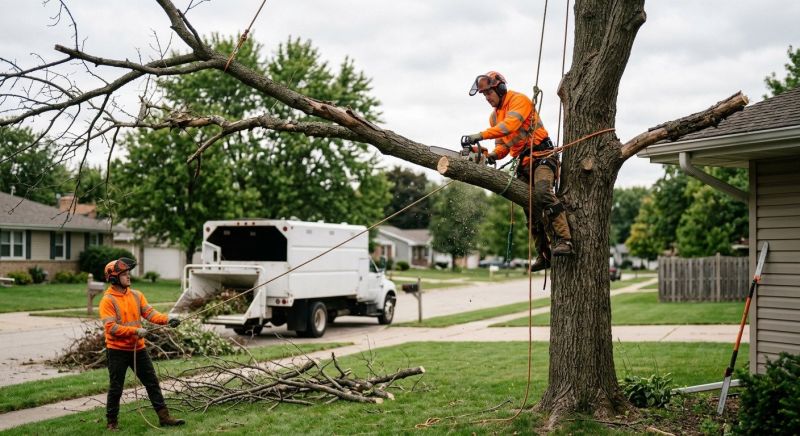
Safety And Property Protection
Removing dead branches reduces the risk of falling and property damage.
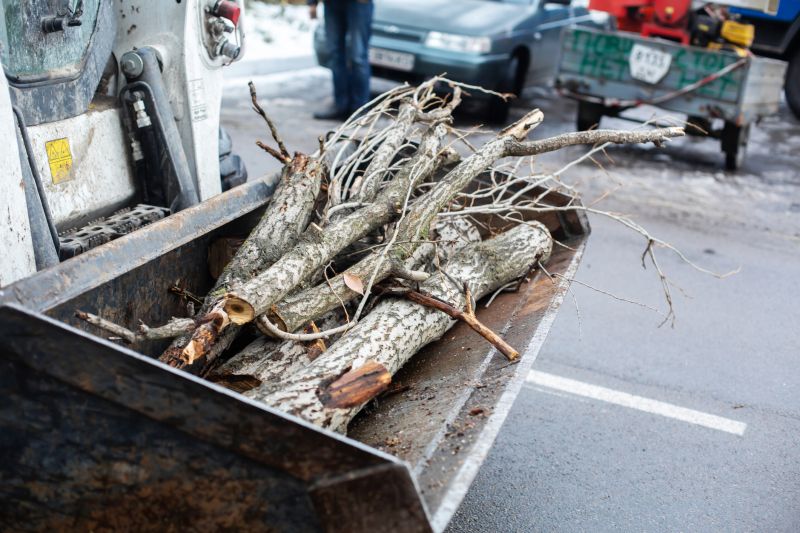
Tree Health And Maintenance
Pruning dead branches helps maintain the overall health and appearance of trees.
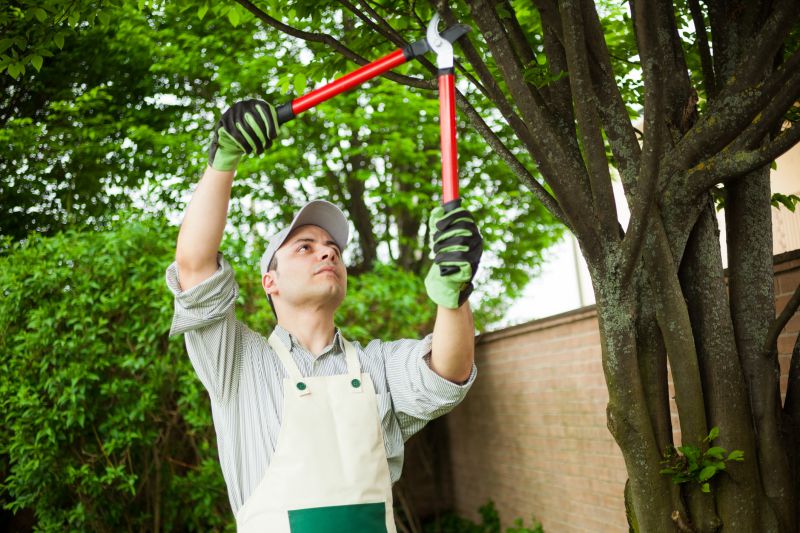
Storm Preparedness
Dead branch removal is essential for minimizing storm-related hazards in allentown, pa.
Dead Branch Removal in Allentown, PA
Dead branch removal services focus on safely and efficiently removing dead, damaged, or overgrown branches from trees on residential properties. This service is often requested to improve the health and appearance of trees, prevent potential hazards from falling limbs, and maintain the safety of people and property nearby. Projects can range from removing individual dead branches to comprehensive pruning of multiple trees, especially in cases where dead or diseased limbs pose a risk during storms or high winds.
Homeowners considering dead branch removal should understand the importance of identifying which branches need to be removed and how the process can enhance tree health and safety. It’s helpful to know whether the project involves small, easily accessible branches or requires specialized equipment for larger or hard-to-reach limbs. Clarifying these details before requesting services ensures that the work addresses specific concerns and aligns with property maintenance goals.
Many property owners in Allentown, PA look into Dead Branch Removal for repairs, replacements, upgrades, and appearance-related improvements.
Common Dead Branch Removal Jobs
Dead Branch Removal - Safely removes hazardous or overgrown branches that pose a risk to property.
Tree Pruning - Trims dead or dying branches to promote healthy growth and maintain tree structure.
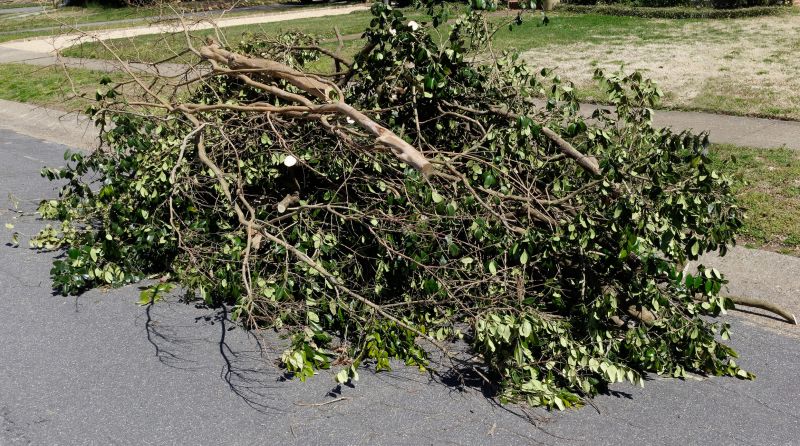
Storm Damage Cleanup - Clears broken or fallen branches after storms to prevent further property damage.
Risk Assessment - Evaluates tree health to identify and address potential hazards from dead or dying limbs.
Tree Health Maintenance - Removes dead branches to improve overall tree vitality and appearance.
Property Safety Enhancement - Eliminates dead wood that could fall and cause injury or damage to structures.
Dead Branch Removal Questions
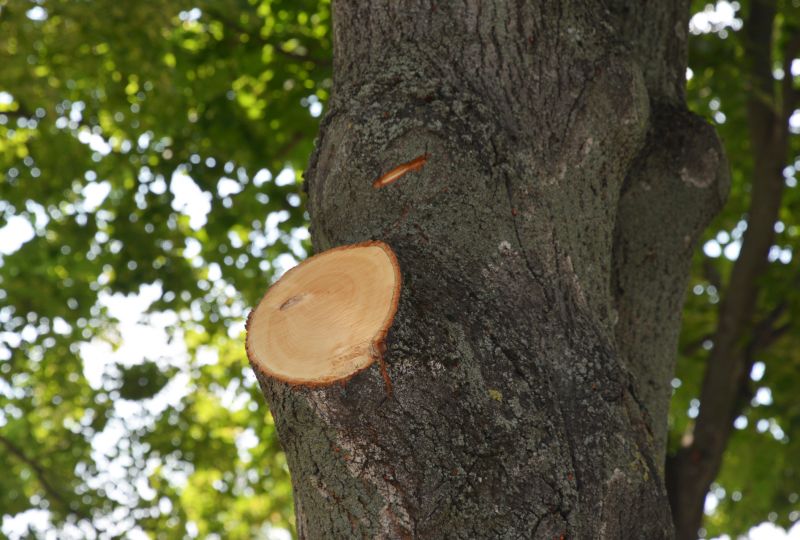
Why should dead branches be removed? Removing dead branches helps prevent potential damage to the tree and nearby property caused by falling limbs.
How does dead branch removal benefit tree health? Clearing dead branches promotes better airflow and sunlight exposure, supporting overall tree vitality.
When is the best time to remove dead branches? Dead branches can be removed anytime during the year, but it’s often best done in late winter or early spring before new growth begins.
What signs indicate a branch needs removal? Signs include discoloration, cracking, or if the branch is hanging low and appears detached or unstable.
Request Dead Branch Removal in Allentown, PA
Use the quote form on this page to share the basics of your project and request more information for the type of work you need.